





Interaction on Values of Medical Education and Ethics
Speaker: Mr. Sri Bharat, Member of Parliament from Visakhapatnam
Host: Dr. K. V. S. M. Sandhya Devi, Additional Director of Medical Education (Addl. DME) & Principal, Andhra Medical College
Audience: Postgraduate Students, Andhra Medical College (AMC)
Attendance: ~300 PG students
Event Overview
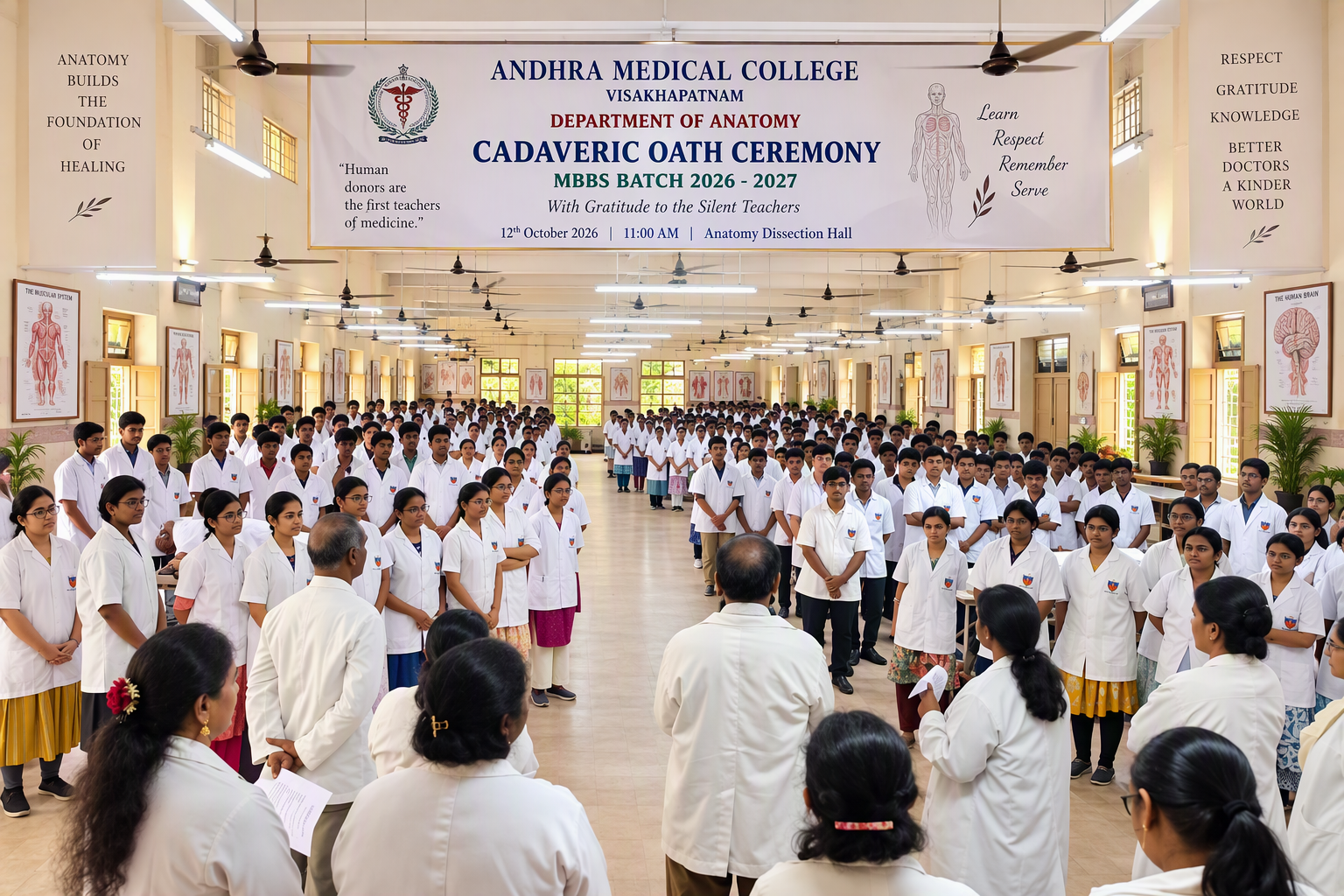
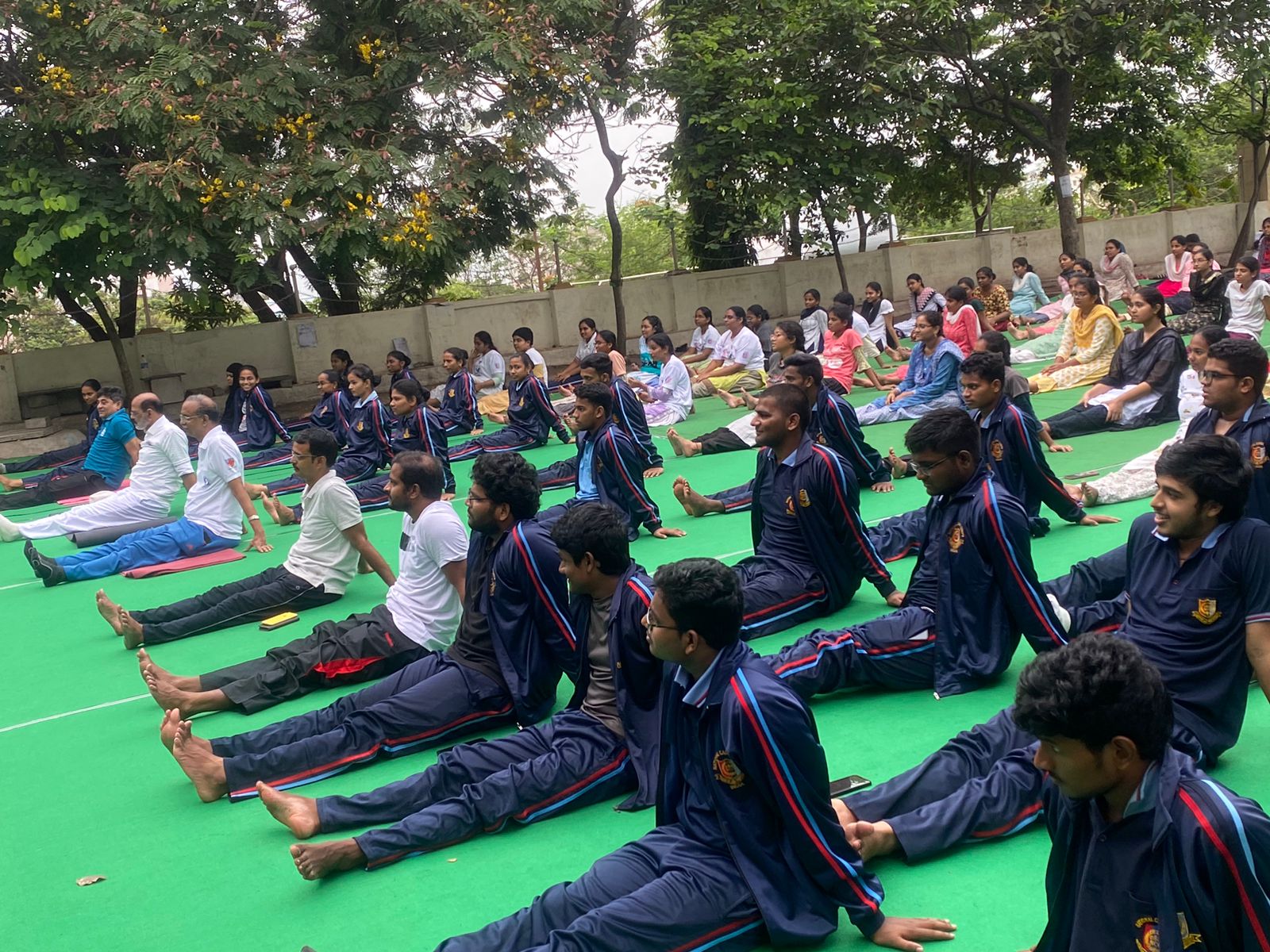
Mr. Bharat, MP from Visakhapatnam, addressed postgraduate students of Andhra Medical College in a program hosted by Dr. K. V. S. M. Sandhya Devi, Addl. DME & Principal of AMC. The session centered on “Values of Medical Education and Ethics” and highlighted the moral foundations of medical practice.
Key Highlights
- Ethical Foundations: Relevance of the Hippocratic Oath in modern healthcare.
- Core Values: Integrity, empathy, honesty, and accountability as guiding principles for medical professionals.
- Patient-Centered Care: Prioritizing patient welfare over commercial interests.
- Social Responsibility: Duty of doctors to serve society, especially the underprivileged.
- Professional Identity: Balancing scientific excellence with moral responsibility to sustain trust in the doctor–patient relationship.
- Leadership Role: Dr. Sandhya Devi’s presence as host underscored AMC’s commitment to embedding ethics and values in postgraduate training.
Significance of the Attendance
- Large-scale participation: 300 PGs attended, representing diverse specialties.
- Collective reflection: Shared ethical understanding across departments.
- Multiplier effect: Students carry these values into clinical practice, teaching, and research, amplifying the impact across hospitals and communities.
Institutional Context
- Andhra Medical College (AMC): Established in 1923, affiliated with Dr. YSR University of Health Sciences.
- King George Hospital (KGH): AMC’s teaching hospital, where ethical principles are applied daily.
- Legacy: AMC has a tradition of producing doctors committed to public service, strengthened by leadership from figures like Dr. Sandhya Devi.
Ethical Principles in Medicine (Emphasized)
- Autonomy: Respecting patients’ rights to make informed decisions.
- Beneficence: Acting in the best interest of patients.
- Non-maleficence: “Do no harm.”
- Justice: Ensuring fairness in treatment and resource distribution.
Broader Impact
- Medical Education: Reinforces ethics in postgraduate training.
- Healthcare System: Encourages alignment with national healthcare priorities.
- Policy–Practice Bridge: MPs engaging with students highlight the connection between governance and medical practice.
- Institutional Leadership: Hosting by Dr. Sandhya Devi reflects AMC’s proactive role in shaping ethical medical education.
Takeaway for Students
- Ethics is the foundation of trust in medicine.
- Medical education must embed values alongside clinical training.
- Leadership figures like Mr. Bharat and Dr. Sandhya Devi remind students that medicine is both a science and a moral calling.