



Infrastructure of
Andhra Medical College & Teaching Hospitals
Andhra Medical College (AMC), Visakhapatnam, one of the oldest and most prestigious medical institutions in India, possesses extensive academic, research, clinical, and residential infrastructure to support undergraduate, postgraduate, super-specialty, and research activities.
Academic Infrastructure
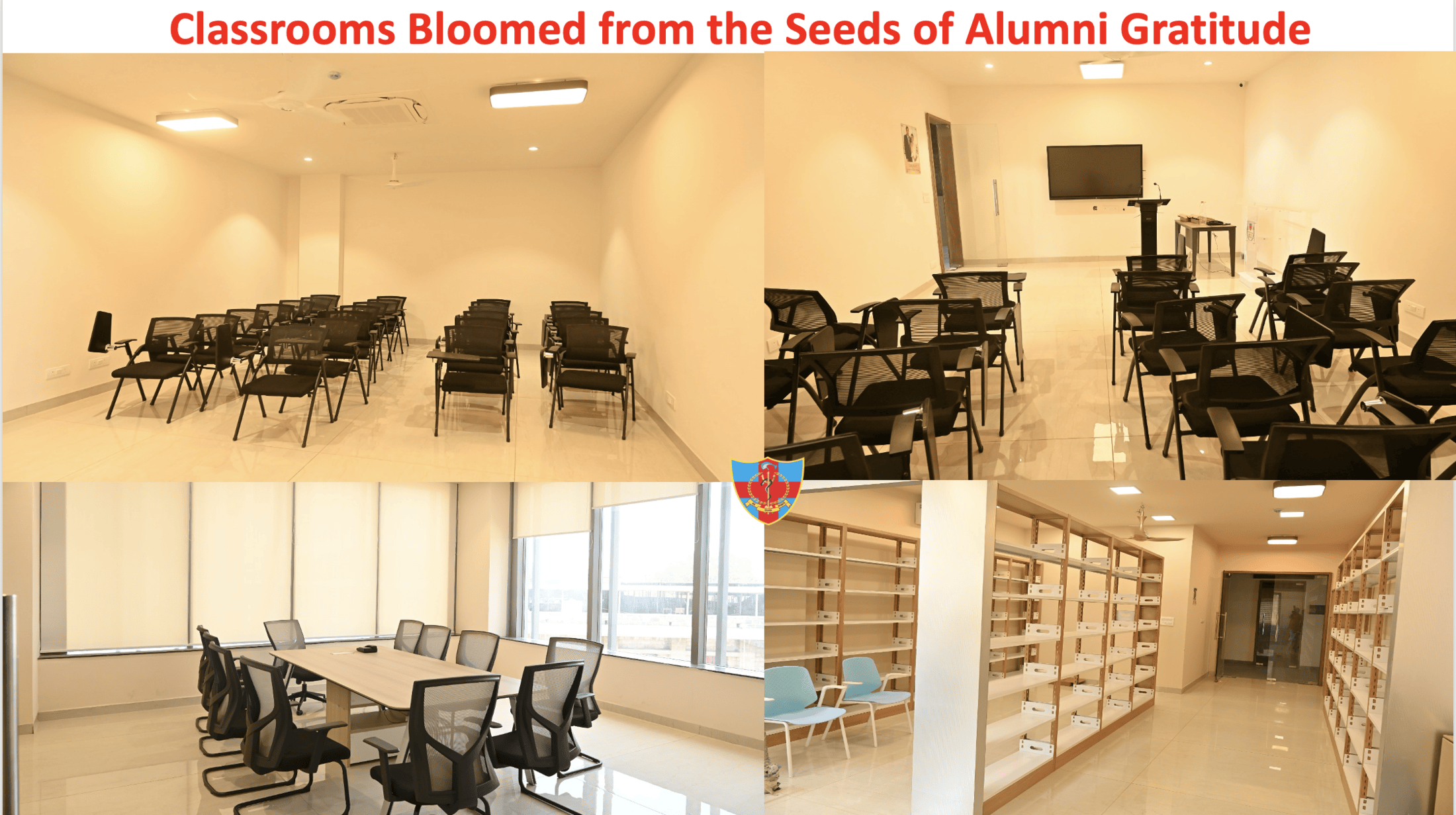
The college has 16 spacious lecture halls, including five lecture halls with a seating capacity of 250 students eachand one central lecture hall with a capacity of 500 students. All lecture halls are equipped with modern audio-visual teaching aids to facilitate effective learning.
A landmark Centenary Alumni Building (CAB), reconstructed by the alumni of Andhra Medical College, serves as a modern auditorium and academic venue with an area of approximately 5,000 square metres.
Each academic department has access to:
- Common lecture theatres
- Three demonstration rooms
- Departmental research laboratories
- Departmental libraries
- Adequate accommodation for faculty and staff
Clinical departments are provided with dedicated demonstration rooms located within wards and outpatient departments (OPDs) for bedside and clinical teaching.
Laboratories and Research Facilities
The institution houses 15 well-equipped laboratories utilized by the Departments of:
- Physiology
- Biochemistry
- Pathology
- Histology
- Histopathology
- Clinical Pharmacology
- Haematology
- Microbiology
- Community Medicine
A fully equipped Central Research Laboratory, functioning under the administrative control of the Principal, supports research activities undertaken by faculty members, postgraduate students, and researchers.
The Departments of Anatomy, Pathology, Pharmacology, Microbiology, and Forensic Medicine maintain comprehensive museums that serve as valuable teaching resources.
Medical Education and Faculty Development
Faculty development activities are regularly conducted through the Regional Centre for Medical Education Technologies (RCMET), Andhra Medical College, which serves as a recognized centre for training in medical education, curriculum implementation, and competency-based medical education.
Hospital Infrastructure
The teaching hospital attached to Andhra Medical College comprises more than 1,000 teaching beds with nearly 100% bed occupancy, providing abundant clinical material for teaching and patient care.
Hospital administrative facilities include:
- Medical Superintendent’s Office
- Enquiry Office
- Reception Area
- Central Medical Records Department
- Linen Rooms
- Store Rooms
- Hospital and Staff Committee Rooms
A gallery-type central lecture theatre with a seating capacity of 250 students, equipped with audio-visual facilities, is available within the hospital premises for clinical teaching activities.
Critical Care and Specialty Services
The institution is equipped with advanced critical care facilities, including:
- Intensive Care Units (ICU)
- Intensive Coronary Care Units (ICCU)
- Neonatal Intensive Care Units (NICU)
- Surgical Intensive Care Units (SICU)
- Intensive Respiratory Care Units (IRCU)
- Dedicated Burns Unit
These facilities support comprehensive patient care and advanced clinical training.
Rural Health Training Centre
The college maintains a Rural Health Centre at Simhachalam, located approximately 18 kilometres from the main campus. The centre functions under the administrative control of the Principal, Andhra Medical College, and provides:
- Community-based teaching and training
- Rural health services
- Separate residential accommodation for male and female students
- Residential facilities for interns
Student Amenities and Support Services
The campus provides:
- Separate toilets and bathing facilities for men and women
- Safe drinking water available round the clock
- Continuous electrical power supply with round-the-clock maintenance support
- Institution-wide intercom connectivity
- Biomedical waste management through an authorized outsourced system
Sports and Recreation
The college has extensive sports infrastructure including:
- Well-maintained playgrounds
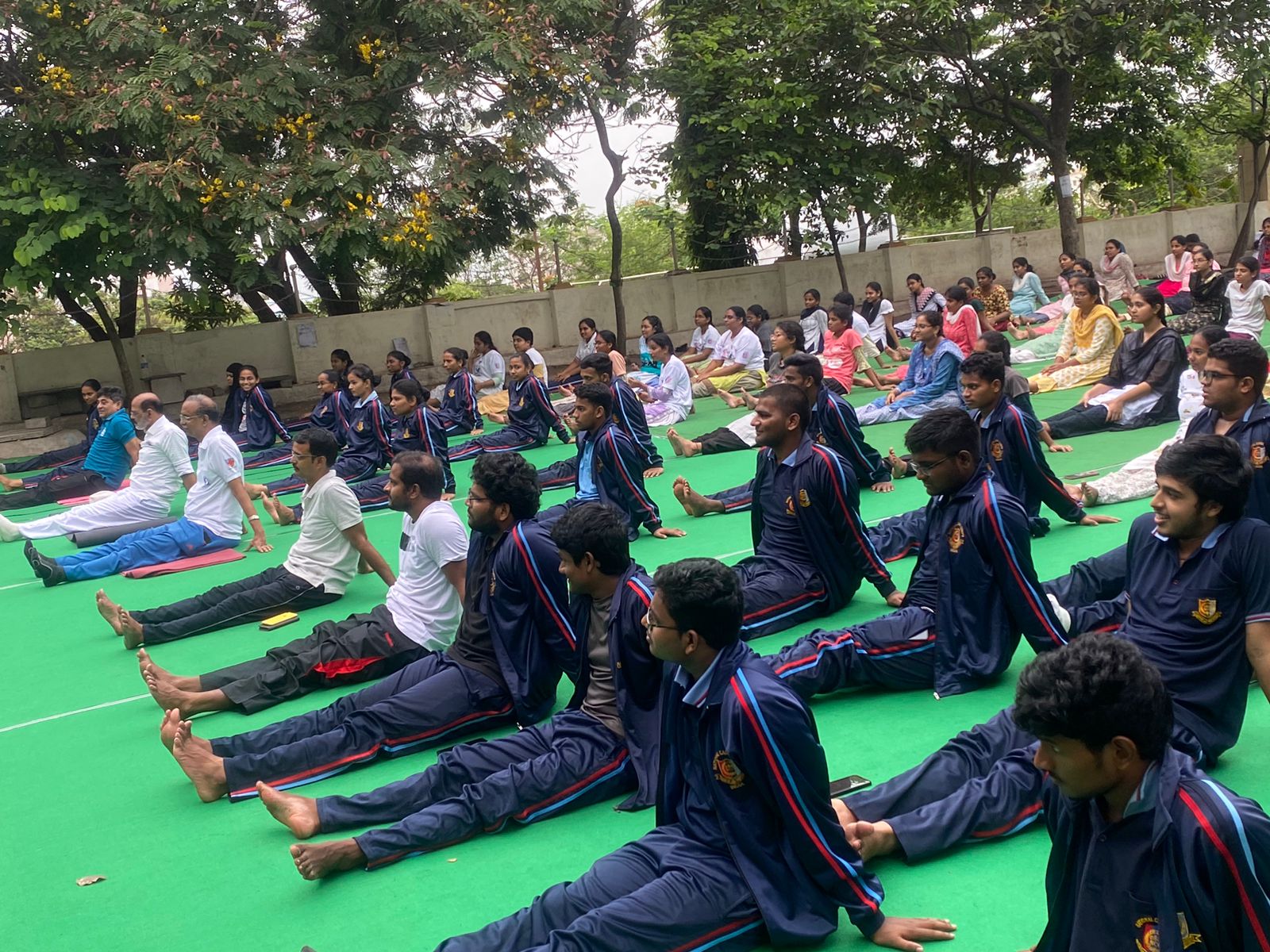
- Gymnasium facilities for students and staff
A full-time qualified Physical Education Instructor oversees sports activities and maintenance of facilities. Andhra Medical College students have won numerous championships and accolades at state and national levels in various sporting events.
Residential Facilities
Residential accommodation is available for:
- Interns
- Junior Residents
- Senior Residents
- Faculty Members
The residential infrastructure supports uninterrupted academic and clinical activities while ensuring a conducive living environment for learners and faculty.